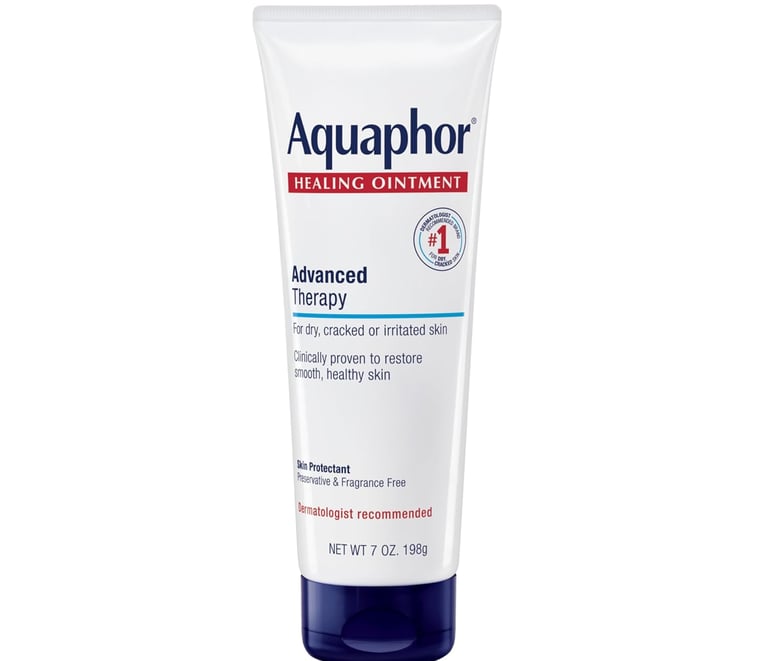
Battle of the Skin Saviors: La Roche-Posay Cicaplast Baume B5 vs. Aquaphor Healing Ointment
La Roche-Posay Cicaplast Baume B5 and Aquaphor Healing Ointment are two of the most recommended products for dry, damaged, and irritated skin. In this comparison, we explore their ingredients, texture, key benefits, and ideal uses to help you decide which skin-repairing favorite is right for your skincare routine.
6/1/20262 min read
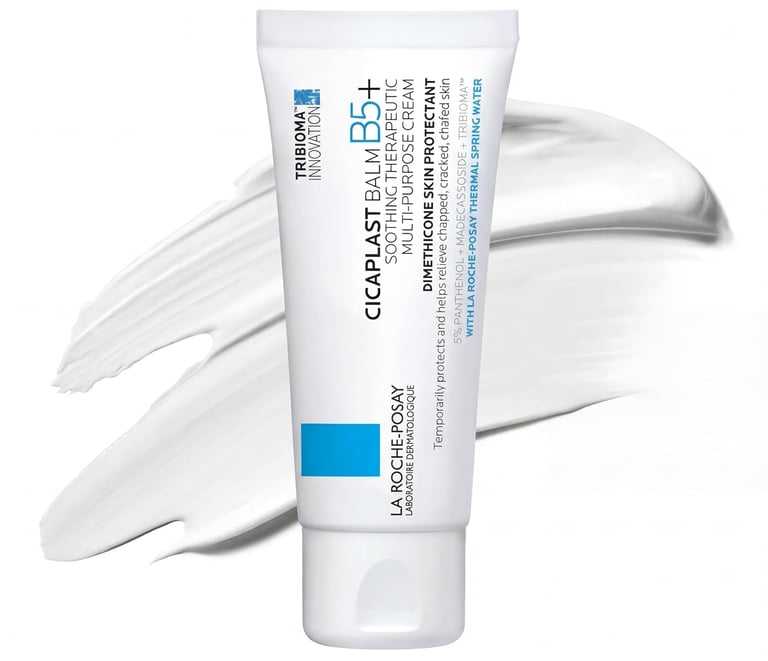
When your skin is dry, irritated, or recovering from damage, two products are often recommended above all others: La Roche-Posay Cicaplast Baume B5 and Aquaphor Healing Ointment. Both have achieved cult status for their ability to protect and restore compromised skin, and both are frequently praised by dermatologists and skincare enthusiasts alike. While they share a common goal of supporting skin recovery, they work in very different ways.
Ingredients and Formulation
Both products focus on helping the skin barrier recover, but their formulations take distinct approaches. Cicaplast Baume B5 contains panthenol (vitamin B5), shea butter, glycerin, and madecassoside, ingredients that help soothe irritation, hydrate the skin, and support the repair process. The formula also includes zinc and manganese, which contribute to its calming and protective properties.
Aquaphor Healing Ointment is built around petrolatum, a highly occlusive ingredient that creates a protective barrier over the skin. It also contains glycerin, panthenol, and bisabolol, but its primary purpose is to prevent moisture loss and shield damaged skin from external irritants while it heals.
Texture and Feel
Cicaplast Baume B5 has a rich cream-balm texture that feels nourishing without being overly greasy. It spreads easily and leaves a protective layer on the skin while still absorbing reasonably well.
Aquaphor Healing Ointment has a thick, glossy ointment texture that feels much heavier and more occlusive. It remains on the surface of the skin for longer, creating a noticeable barrier that locks in moisture for hours.
Best for Which Skin Problems
If your skin is irritated, sensitive, or recovering from over-exfoliation, Cicaplast Baume B5 is often the better choice. Its blend of soothing and barrier-supporting ingredients helps calm redness while providing lasting hydration.
If your skin is extremely dry, cracked, chafed, or healing from minor wounds, Aquaphor excels at protecting and sealing the skin. Its petrolatum-rich formula is especially effective for severely compromised areas that need maximum moisture retention.
The Bottom Line
Both products are excellent for supporting skin recovery, but they serve slightly different purposes. Choose La Roche-Posay Cicaplast Baume B5 when you want soothing hydration and barrier repair, and choose Aquaphor Healing Ointment when you need maximum protection and moisture sealing.
In short, Cicaplast helps repair and calm, while Aquaphor protects and locks in moisture — two trusted solutions for healthier, more resilient skin.
This post may contain affiliate links. If you purchase through these links, I may earn a small commission at no extra cost to you. I only recommend products I truly love and trust. Thank you for supporting my content!